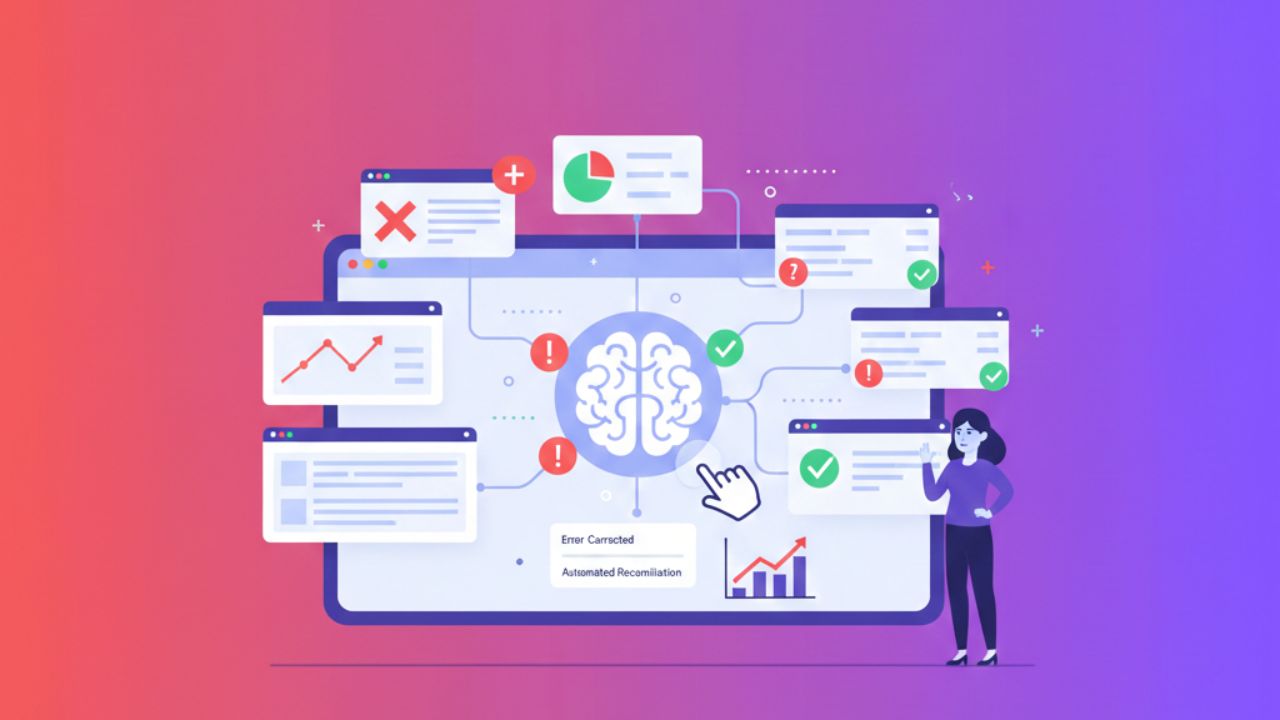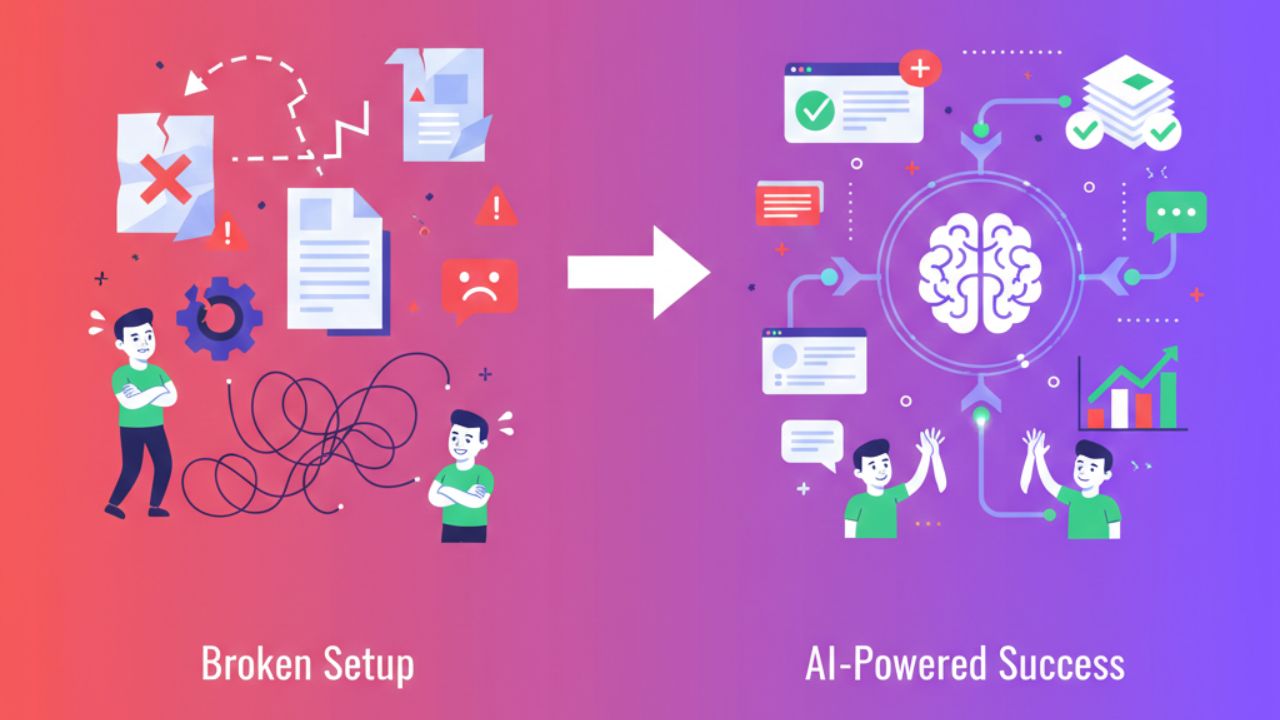
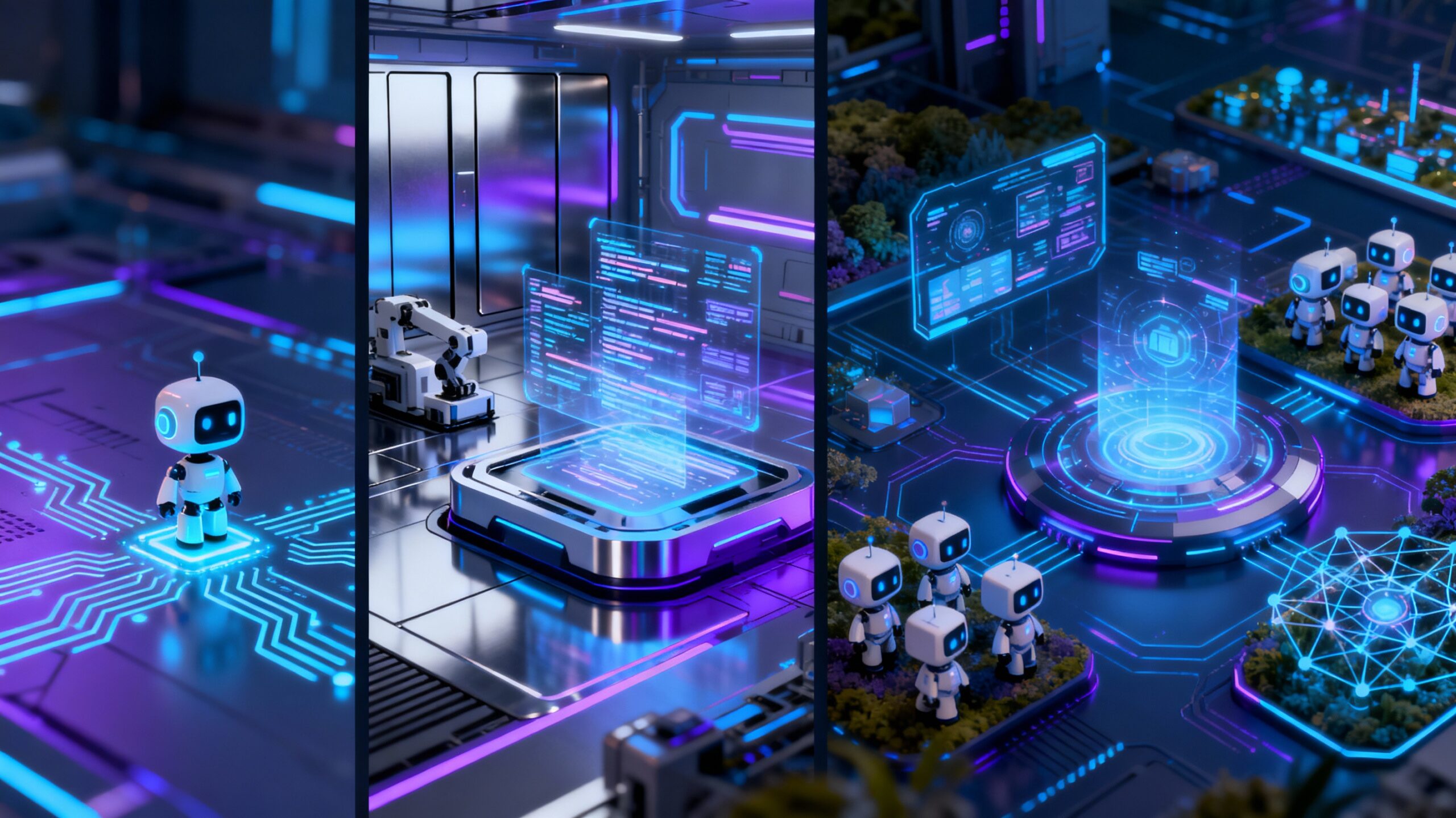
Over the past two years, agentic AI workflows and AI automation platforms have exploded across the technology landscape. Nearly every new product promises AI agents that can complete tasks, make decisions, and automate work with minimal human input.
But when you look closer, most tools still follow a familiar pattern:
- A chat box
- A flow-chart canvas
- Some integrations
- A sprinkle of “memory” and RAG
- A lot of screenshots in purple gradients
Plenty of these tools are powerful. But many of them are really workflow builders wearing an “agentic” trench coat. So if that’s wave one… what does wave two actually look like?
This article explores:
- The evolution from workflow automation to autonomous AI agents
- The emergence of multi-agent systems and AI teams
- The development of the agentic AI economy
- The rise of agent-of-agents architectures
- How industries like recruitment are already experimenting with AI-driven orchestration
Wave One: Agentic Workflow Builders
The first wave of agentic automation platforms introduced tools that combine traditional workflow automation with large language models.
Platforms like UiPath and Automation Anywhere have expanded classical robotic process automation (RPA) with AI capabilities.
Typical features include:
- Low-code or no-code workflow builders
- LLMs that interpret instructions and natural language
- API integrations with platforms like Slack, Notion, and HubSpot
- Triggers based on schedules, events, or user prompts
These tools represent a major improvement over rigid automation pipelines, allowing businesses to automate tasks faster and with less technical complexity.
Wave Two: Autonomous AI Agents and Multi-Agent Systems
The next generation of AI systems moves beyond single-agent automation toward collaborative AI teams.
Research from organizations like Google DeepMind highlights how multi-agent systems can coordinate to solve complex problems.
Instead of a single workflow, these systems involve multiple specialized agents working together.
For example:
Planner Agent
- Defines the strategy and breaks down objectives into tasks.
Execution Agents
- Perform specific functions such as data analysis, writing, coding, or research.
Coordinator Agent
- Oversees progress, resolves conflicts, and ensures alignment with goals.
Wave Comparison: Automation vs Agentic AI
| Wave | Technology Model | Human Role | Examples |
|---|---|---|---|
| Wave 1 | Workflow automation | Humans design flows | Zapier AI, RPA tools |
| Wave 2 | Multi-agent systems | Humans set objectives | AI teams and agent orchestration |
| Wave 3 | Agentic AI economy | Humans define rules | AI agents transacting in markets |
The Rise of the Agentic AI Economy
Researchers and infrastructure builders are now outlining the blueprint for an economy where agents transact, negotiate, and optimize in real-time:
- Agents making payments under constraints
- Infrastructure like Sei is positioned as rails for a machine-speed AI agent economy
- New risks: collusion, runaway loops, fraud vectors
- Trust and identity are emerging as the core problem
This is when agents stop living inside your company and start participating in markets.
THE “AGENT OF AGENTS” ARCHITECTURE
As agents proliferate, the emerging pattern is an AI layer that manages other agents – a kind of AI COO.
This manager-agent:
- Spins up or retires specialized agents
- Allocates budget and compute
- Enforces rules and oversight
- Uses guardian agents to catch bias or risky actions before execution
Agentic AI in Recruitment
Ai Recruitment is one of the first domains transforming through agentic automation:
Platforms like Gen6, X0PA, Zappyhire, and others show early versions of:
- Forecasting agents
- Screening agents
- Candidate engagement agents
- Compliance and fairness agents
- Multi-agent recruiters orchestrated by a top-level “recruitment conductor.”
Done responsibly, it increases fairness and frees humans for relationship-building.
How Organizations Should Prepare for Agentic AI
- Replace “What can we automate?” with “What outcomes could an agent own?”
- Design agents like roles: mission, powers, guardrails
- Assume you are entering a multi-agent world
- Build governance early — logging, observability, guardian agents
- Start small but architect for wave two
THE SHIFT UNDER THE HYPE
Wave one gave us better workflows. Wave two reshapes how work and value move through organisations:
- Autonomous AI teams
- An agentic economy
- Agent-of-agents governance
We are moving from “AI as a tool” to “AI as a colleague who manages other AI colleagues”.
The real question is:
What roles are you ready to hand to agents — and what guardrails will shape their decisions?
FAQs
What are agentic AI workflows?
Agentic AI workflows are automation systems where AI agents plan, decide, and execute tasks autonomously rather than following rigid predefined steps.
What is a multi-agent system in AI?
A multi-agent system is an architecture where multiple AI agents collaborate and specialize in different tasks to solve complex problems.
What is the agentic AI economy?
The agentic AI economy refers to a future ecosystem where autonomous AI agents negotiate, transact, and optimize resources in digital markets.
How will AI agents change business automation?
AI agents will move automation beyond static workflows, enabling adaptive AI teams that plan and execute complex operations autonomously.