If you’ve ever mapped out a business process on a whiteboard, you know the feeling of satisfaction. The arrows flow perfectly from A to B to C. It looks clean. It looks logical. It looks perfect.
In the AI industry, we call this the “Happy Path,” the ideal scenario where every input is correct, every approval arrives on time, and no one ever uploads a file in the wrong format.
But here is the hard truth: The Happy Path is a myth.
In the real world, chaos is the rule, not the exception. A vendor sends an invoice in a foreign currency. A client requests a feature that doesn’t exist. A server times out. When these “exceptions” hit traditional workflows, everything grinds to a halt until a human steps in to fix it.
For years, we believed humans were the ultimate safety net for these moments. We thought only people had the judgment to handle ambiguity. But as Intelligent Workflow Automation evolves from rigid scripts to agentic AI, that belief is being overturned.
Here is why AI is not just catching up to humans at handling workflow exceptions; it is surpassing us.
The Problem with Human “Exception Handling”
To understand why AI is winning, we first have to look at how humans handle workflow interruptions. When a traditional automation tool encounters an error, it throws up its hands and sends an alert. A human then has to:
- Stop their current high-value work.
- Context-switch to investigate the error.
- Make a decision based on gut feeling or tribal knowledge.
- Resume the process manually.
While humans are great at critical thinking, we are terrible at consistency and speed. We get tired. We have biases. We make “quick fixes” that ignore long-term consequences. Most importantly, humans don’t scale. If your workflow throws 5 exceptions a day, you can handle it if it throws 5,000, your business breaks.
Agentic AI: The New Standard for AI in Workflows
This is where the conversation shifts from “automation” to AI decision-making. Most categorize and describe AI as a tool that simply flags errors for humans (like a glorified spell-checker). This is a limited view. Platforms like Gen6 are pioneering a shift toward agentic workflows.
Unlike a static script that breaks when it sees something new, an AI agent understands intent.
1. Context, Not Just Code
Traditional automation looks for exact matches. If a field requires “12-05-2024” and receives “May 12, ’24”, a script fails.
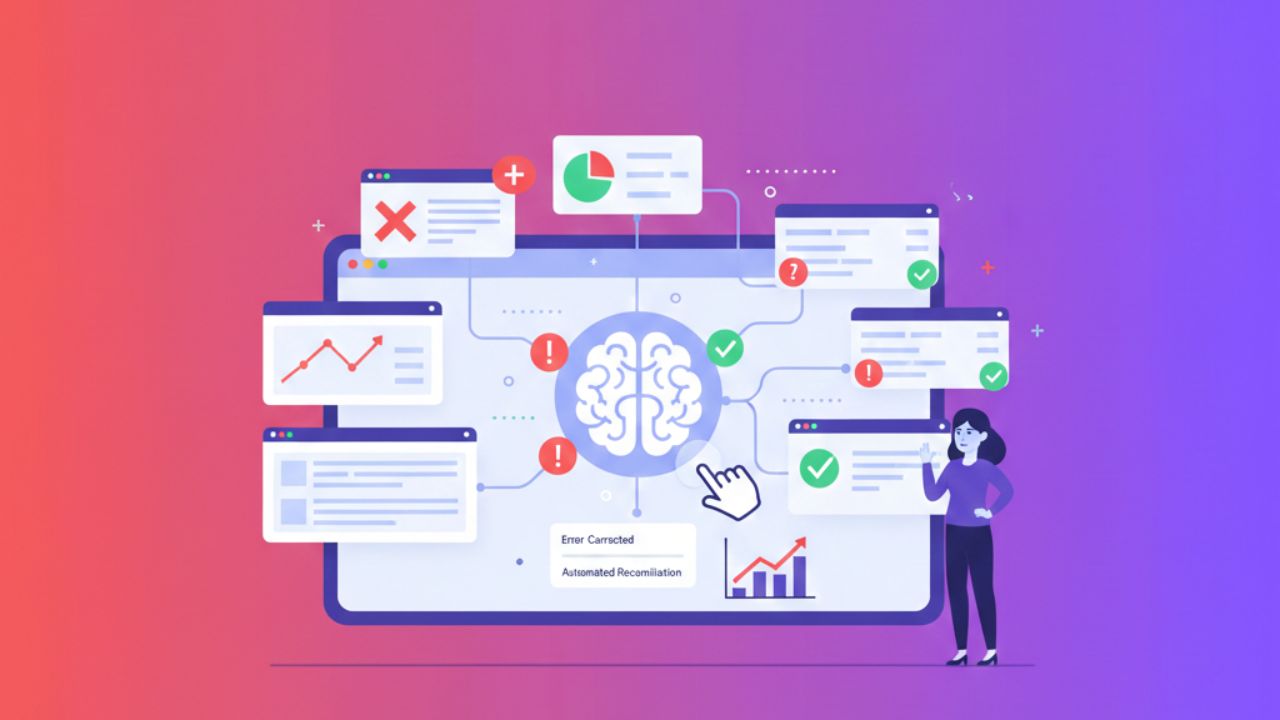
AI exception handling looks at the context. It understands that “May 12” is a date. It standardizes it and keeps the workflow moving without waking up a human. It solves the ambiguity using the same logic a human would, but in milliseconds.
2. Dynamic Path Correction
Imagine a delivery driver finds a road blocked. A “dumb” robot would sit there and wait for instructions. A human driver would check a map for a detour.
Intelligent workflow automation acts like the driver. When it encounters an exception (the blocked road), it doesn’t just crash. It analyzes the goal (“Deliver package”) and autonomously rewrites the workflow steps to achieve that goal via a new path.
3. The “Emotionless” Decision Maker
Exceptions often trigger high-pressure decisions. In customer support or finance, a human might bend the rules because they are stressed or empathetic to a rude email.
AI maintains perfect adherence to your business logic. It doesn’t get flustered by volume or tone. It applies your governance rules strictly, ensuring that an exception is handled exactly how you designed it to be handled, every single time.
How AI Turns “Oops” into Optimization
The biggest content gap in most articles about AI in workflows is the concept of learning loops. When a human fixes a workflow error, that knowledge often stays in their head. If they leave the company, the knowledge leaves with them. When AI resolves an exception, it updates the system.
- Detection: The AI spots an anomaly (e.g., a sudden spike in high-value orders from a new region).
- Resolution: It cross-references this with fraud detection protocols and approves/denies based on data, not a hunch.
- Evolution: It “remembers” this pattern. The next time a similar exception occurs, it is no longer an exception, it is just part of the standard workflow.
This turns your workflow from a static checklist into a living, breathing system that gets smarter with every error it encounters.
The Human Element: Where You Still Matter
Does this mean humans are obsolete? Absolutely not. The goal of Gen6 isn’t to remove humans from the loop; it’s to remove humans from the robotic parts of the loop.
You should be defining the strategy and the outcome, not fixing broken CSV files or manually routing emails. By letting AI handle the messy, complex, and high-volume exceptions, you free your team to do what they actually do better than machines: Strategy, Empathy, and Innovation.
Final Thoughts: Don’t Just Automate Adapt
The businesses that win in the next decade won’t be the ones with the best “Happy Path” on paper. They will be the ones whose workflows can survive the chaos of the real world.
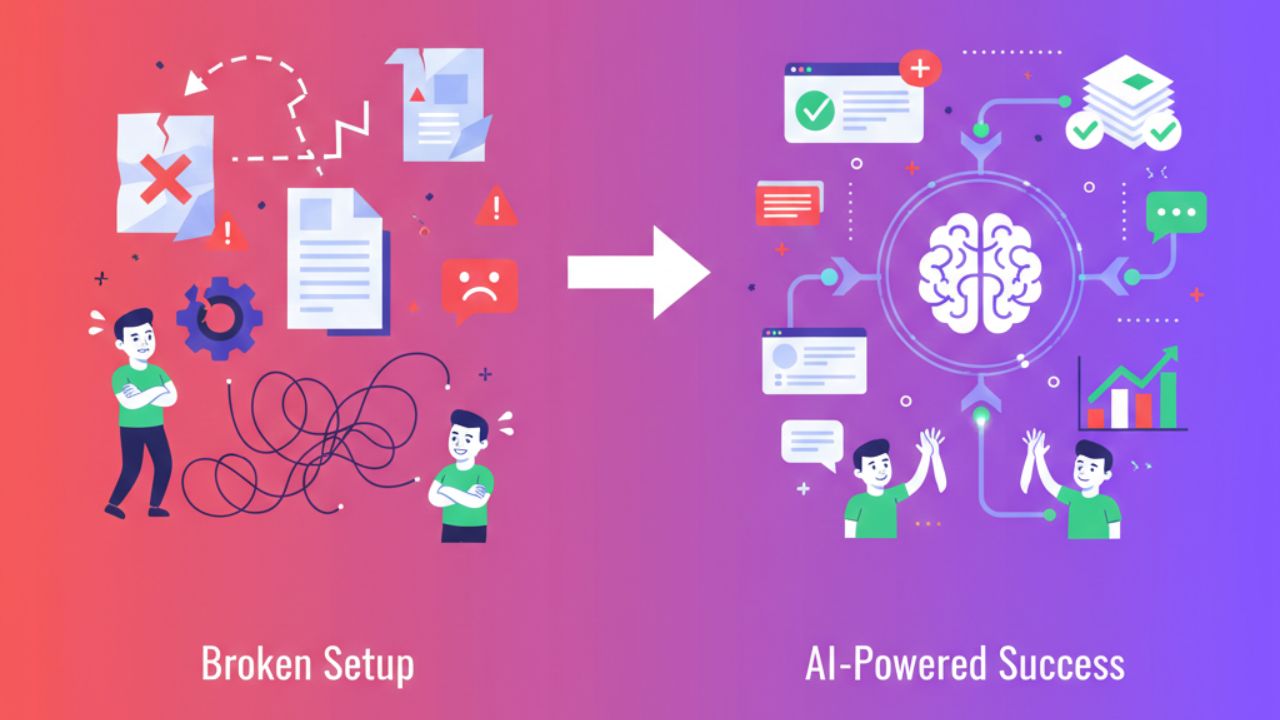
Traditional automation is fragile; it breaks under pressure. AI exception handling is antifragile; it gets better under pressure.
At Gen6, we don’t just build workflows that follow instructions. We build agents that understand your goals and find a way to reach them, no matter what obstacles appear.
Ready to stop fixing broken workflows and start building intelligent ones? Get started with Gen6 today.
FAQs
How does AI handle procurement process exceptions?
There are many potential uses of AI in procurement, such as researching and managing suppliers and automating key aspects of the buying process. In the next few years, procurement teams will increasingly depend on AI to help improve efficiency, cut costs, and predict rapid supply network shifts.
Can AI handle invoice exceptions?
Invoice exception handling is the process of identifying, addressing, and resolving discrepancies or issues that prevent invoices from being automatically processed in accounts payable systems.
How do agencies use client branding in AI workflows?
Agencies integrate client branding into AI workflows by training models on brand-specific assets (style guides, past campaigns) to ensure consistency in AI-generated content.