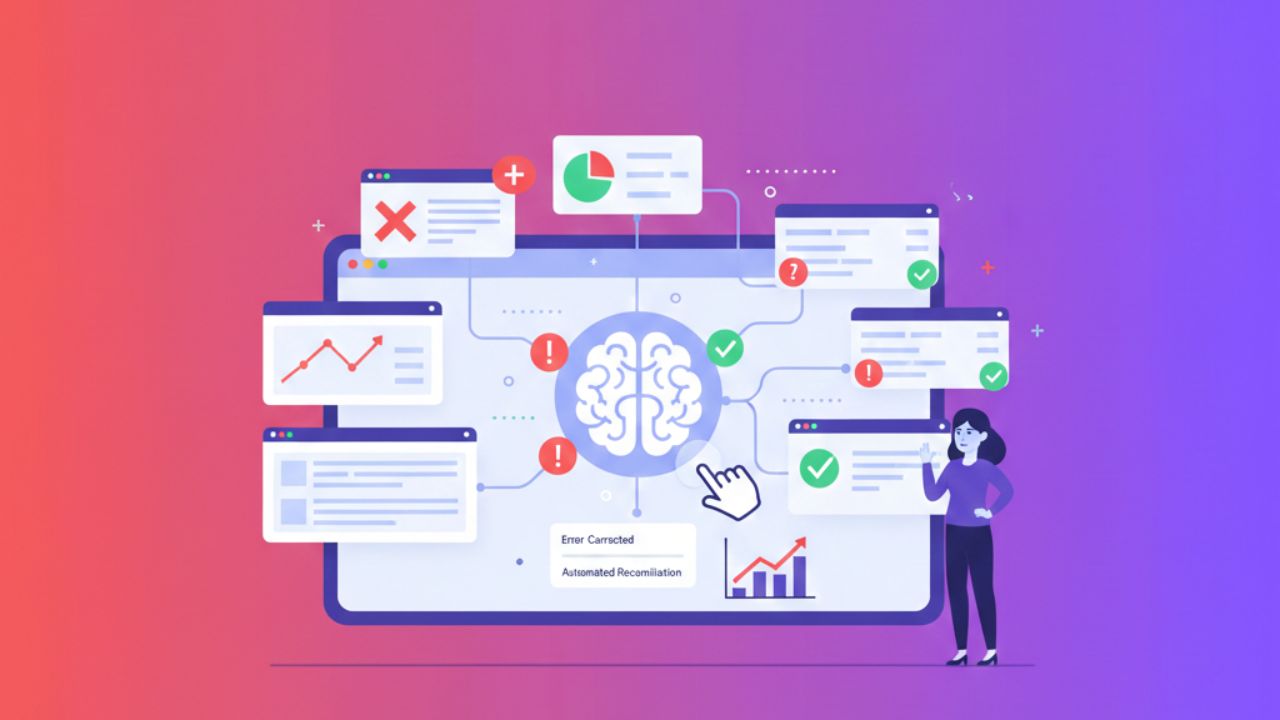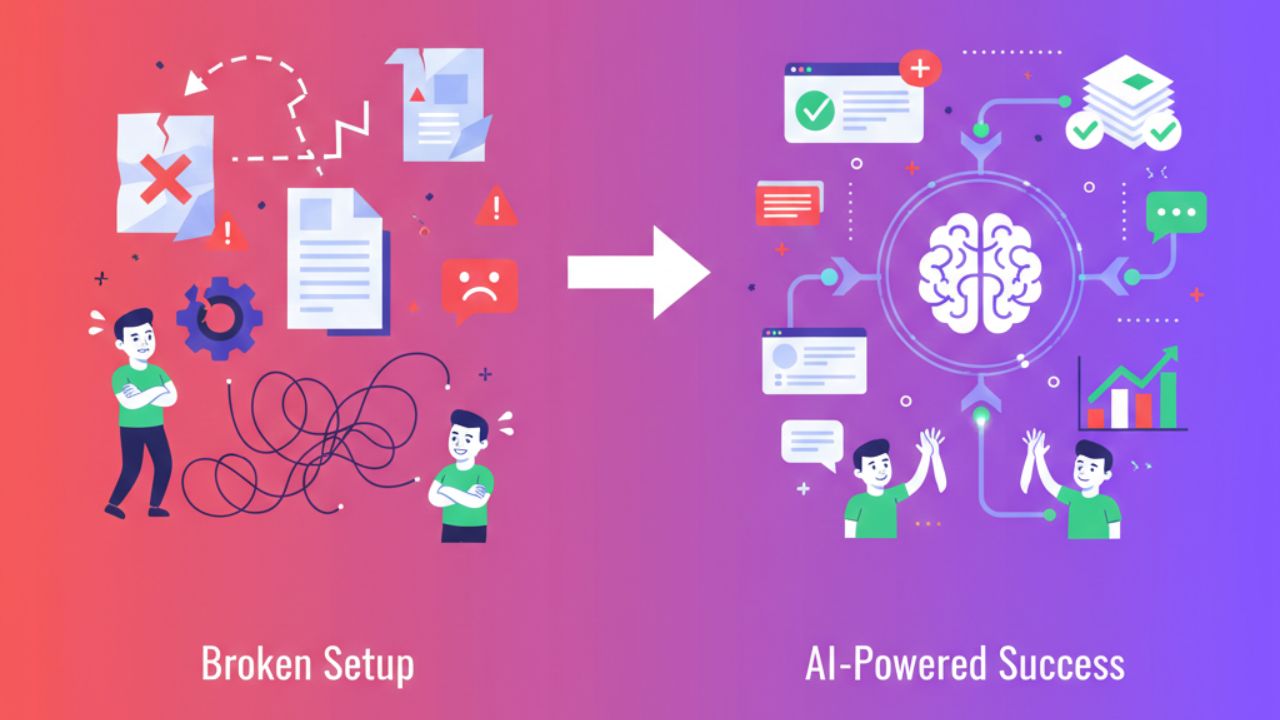

Most organizations only start searching for agentic automation platforms when their existing automation stack hits a limit.
They have already pushed Zapier, Make, or RPA as far as it will go. The workflows work, sort of. Then someone asks for something that needs judgment, unstructured data, or content creation. The existing stack starts to look like a maze of brittle rules and edge cases.
That is usually when the question appears.
“Is there a platform that can actually think its way through this, not just follow a script.”
Agentic automation platforms are the answer to that question. They are built for workflows where context, reasoning, and content matter just as much as steps and triggers.
This article walks through what agentic automation platforms are, how they differ, where a tool like Gen6 Intelligence, and how to choose between an agentic workflow engine and ready-made agents such as Genspark, 11x AI or AiSDR
What Is an Agentic Automation Platform?
Agentic automation platforms exist in the space between classic workflow tools and fully custom AI systems.
They give you AI agents that can interpret goals, not just follow fixed steps, an orchestration layer to connect those agents to your existing tools and data, and a way to design and monitor automations without writing an entire codebase.
They are built for unstructured inputs, dynamic processes, content generation, and multi step decision making.
The main types of agentic platforms
1. Agentic workflow engines
These platforms allow teams to design and orchestrate AI-driven workflows across multiple systems.
They provide tools for creating workflows that combine:
- AI agents
- APIs
- SaaS applications
- internal databases
Examples include:
- Gen6
- Make
- n8n
These platforms are ideal for organizations that want flexible automation across many departments.
2. Vertical or use case-specific platforms
These ship with prebuilt agents for specific domains.
3. Ready-made agents or AI workers
These behave like specialised hires
Agentic Platform Landscape Comparison
| Platform Type | Best For | Flexibility | Setup Time |
|---|---|---|---|
| Agentic Workflow Engines | Complex workflows across many systems | High | Medium |
| Vertical AI Platforms | Specific use cases like meetings or recruiting | Medium | Low |
| Ready-Made AI Agents | Automating specific job roles | Low | Very Low |
A quick tour of the landscape
Gen6: Prompt first agentic workflows for non-technical users and teams
Gen6 focuses on prompt-driven workflow design, making it easier for non-technical users to create AI-powered automation.
Key capabilities include:
- Natural language workflow creation
- Integrations with CRMs, help desks, and APIs
- Access control and security governance
- Monitoring and auditing tools for enterprise teams
This approach reduces the complexity of traditional workflow builders and makes agentic automation accessible to more teams.
Beam AI: Enterprise agent OS
Platforms like Beam AI focus on enterprise-scale deployments.
They emphasize:
- multi-agent orchestration
- enterprise data integrations
- reliability controls
- governance frameworks
Make and n8n: Agentic Tools for Builders
Make provides a no code builder with agentic capabilities. n8n provides a source available, technical automation environment with both traditional and AI features.
Tactiq and other vertical platforms
Tactiq focuses on meetings, turning transcripts into summaries, tasks, and follow-ups.
Where Gen6 stands out
Gen6 positions itself as a prompt-first agentic automation platform designed for teams rather than developers. Its core strengths include:
1. Natural Language Workflows
Users describe automation goals in plain language rather than building complex flows.
2. Built-In Integrations
Connectors for common enterprise tools simplify implementation.
3. Governance and Security
Access controls and audit trails help organizations maintain oversight of automated workflows.
How to Choose the Right Agentic Automation Platform
Consider the job to be done, who will maintain the system, your governance needs, the type of data involved, and how opinionated you want the platform to be.
1. The Job You Want to Automate
Is your workflow cross-departmental or highly specialized?
2. Who Will Maintain the System
Technical teams may prefer flexible workflow engines, while business teams often prefer prompt-driven platforms.
3. Governance Requirements
Large organizations may need platforms with strong security and audit capabilities.
4. Data Complexity
Workflows involving unstructured data, documents, and natural language benefit most from agentic systems.
5. Platform Flexibility
Some organizations prefer tools that allow full customization, while others prefer prebuilt solutions.
Workflow Engine vs Ready-Made AI Agent
Workflow engines such as Gen6
You design the workflow, connect your systems, and define how the process works.
Ready-made agents such as 11x AI, AiSDR, or Genspark
You adopt a prebuilt, specialised AI worker that already knows the job, such as outbound sales outreach.
The bigger picture
Agentic automation platforms represent a shift from rules to goals, from static flows to adaptive systems, and from pure data movement to workflows that can read, write, decide, and collaborate.
Choosing the right one depends on the outcomes you want to own, who will shape the workflows, and how much control you want in the long run.
FAQ
What is an agentic automation platform?
An agentic automation platform uses AI agents to automate workflows that require reasoning, context, and decision-making, rather than relying solely on fixed triggers and rules.
How is agentic automation different from traditional automation?
Traditional automation follows predefined workflows. Agentic automation allows AI agents to interpret goals and dynamically decide how tasks should be completed.
What are examples of agentic automation platforms?
Examples include workflow engines like Gen6, enterprise platforms like gen6, and specialized agents like AiSDR.
Who should use agentic automation platforms?
Organizations that manage complex workflows involving data analysis, content generation, and decision-making benefit the most from agentic automation.
Sources
Automation Anywhere. “Agentic AI Platforms: 2025 Buyer’s Guide and Vendor Evaluation.” https://www.automationanywhere.com
Domo. “AI Workflow Platforms to Consider in 2025.” https://www.domo.com
McKinsey and Company. “One Year of Agentic AI: Six Lessons from the People Doing the Work.” McKinsey, 2025. https://www.mckinsey.com
Gen6 Intelligence. “Automate Any Workflow With AI Prompts.” https://gen6.ai
Reddit. “I am Trying to Automate an Entire AI Company.” r/automation discussion, 2025. https://www.reddit.com/r/automation
Beam AI. “Leading Platform for Agentic Automation and AI Agents.” https://beam.ai
Beam AI. “Agentic Workflows: Definition, Tools and Platform.” https://beam.ai/agentic-workflows
Tactiq. “5 Best No Code Agentic Workflow Platforms in 2025.” Tactiq, 2025. https://tactiq.io
n8n. “7 Best AI Agent Builders: A Complete Market Breakdown.” n8n Blog, 2025. https://blog.n8n.io
AiSDR. “Book More, Stress Less With AiSDR.” AiSDR, accessed 2025. https://aisdr.com
Salesforge. “AiSDR Review: 5 Things To Know Before Buying.” Salesforge, 2024. https://www.salesforge.ai
AI Agent Store. “AiSDR, AI Agent Overview.” https://aiagentstore.ai
Top Ten AI Agents. “AiSDR Review.” TopTenAIAgents, 2025. https://toptenaiagents.co.uk
Moveworks. “11 Leading Agentic AI Tools for Businesses.” Moveworks, 2025. https://www.moveworks.com