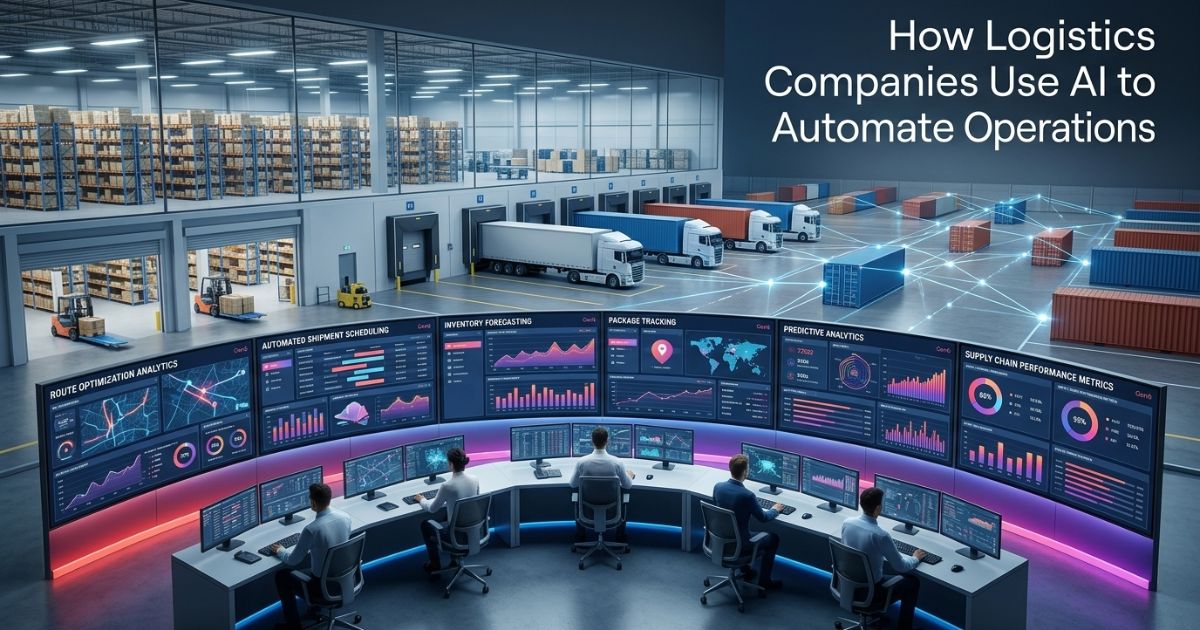
Logistics companies are using AI to change slow and manual supply processes into fast and efficient systems. Through machine learning, businesses can now predict issues, find optimal routes for deliveries, and even complete the boring paperwork for them. The transition from human management to organizational AI is fast becoming the primary means of competing, generating profits, and meeting current delivery demands.
Why Logistics Is Ripe for Automation Right Now
Logistics automation has moved from a “nice to have” to a necessity. Today, it is used in all areas of their operations in response to falling profits and an increasing demand for manpower. Through Automation of business processes using AI technology, companies will be able to minimize manual work and increase productivity.
- Shortage of Drivers: The transportation sector is experiencing a shortage of around 80,000 drivers.
- Rising Costs: Fuel cost uncertainty results in declining profit margins.
- Customer Expectations: Next-day or same-day shipping has become the standard practice.
- Data Utilization: With supply chain automation, companies can take advantage of all the information that they have accumulated over time through their legacy systems.
- Efficiency: Logistics workflow automation handles the repetitive work that no one wants to do.
How AI Logistics Solutions Actually Work
AI logistics solutions aren’t magic. They function as high-speed pattern-recognition systems that act on real-time data from GPS, inventory, and order platforms. They operate as superfast pattern recognition machines that respond to information received in real time through GPS, inventory, and ordering platforms. AI workflow automation assists companies in optimizing processes, creating triggers, and linking operations.
- Predictive Power: Helps predict delays and what stock is needed.
- Rules-Based Execution: Automatically makes decisions through preset parameters.
- Process Integration: Connects the process flow of ordering, picking, packing, dispatching, and tracking into a single flow.
- Actionable Intelligence: Provides AI logistics solutions, assisting managers to focus more on strategy rather than performing menial tasks.
Warehouse Automation: The Biggest Win
One of the most obvious differences occurs in warehouse automation. Robots and cameras are used together to increase efficiency in the warehouse.
- Precision: Robots and AI vision help pick and sort packages without making mistakes.
- Demand Forecasting: AI helps you know what you will need to keep in stock before you sell out.
- Quality Control: Cameras quickly find damaged items when things are busy.
- Human-Centric Design: The machine does all the dangerous and repetitive tasks, while skilled people monitor and control everything, which remains a primary benefit of warehouse automation.
Supply Chain Automation: Seeing Problems Before They Happen
Supply chain automation helps companies to act in advance instead of just responding to problems. It runs many tests to find problems before they affect profits.
- Scenario Planning: Analyzes “what if” scenarios on an hourly basis.
- Early Warning: Makes you aware of problems related to the port, the supplier, or even weather-related issues well before they become a bottleneck.
- Inventory Optimization: Ensures that the correct inventory is there when it needs to be.
- Visibility: Supply chain automation can track all suppliers at once, rather than just one.
Transportation Automation: Smarter Routes, Less Fuel
Transportation automation is important for handling the most costly part of delivery: the final step. It makes every trip better, so you use less fuel and time.
- Route Optimization: Changes routes based on traffic, how heavy the load is, and the weather, as it happens, a key function of transportation automation.
- Dynamic Rerouting: Directions are offered to the drivers mid-journey in case of an expected traffic jam.
- Fleet Health: AI can determine when a truck needs maintenance before breakdowns occur.
- Efficiency: Small and medium-sized businesses in the area of logistics and transportation automation claim to save 10-15% on their fuel costs.
Freight Automation: Paperwork on Autopilot
Freight automation helps handle the complicated paperwork needed for shipping goods. Your products will be delivered much faster if you use technology.
- Data extraction: With the help of AI, documents, emails, and scans can be analyzed automatically without any human involvement.
- Compliance: To avoid delays, ensure that your documentation is organized properly.
- Speed: Customs clearance processes take several days with manual documentation, while with AI technologies, they take several hours.
- Accuracy: Freight automation helps lessen the mistakes that often happen when entering information by hand.
Logistics Workflow Automation: Connecting It All
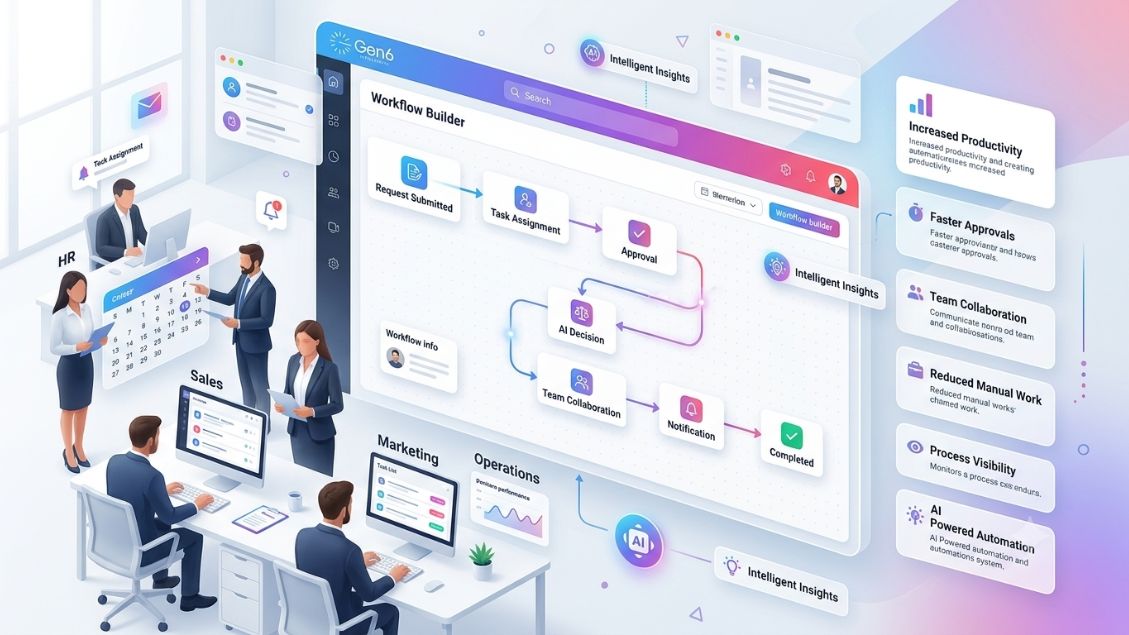
Logistics workflow automation integrates all components of your business processes. This also means that changes made to one part will affect all other parts as well. Workflow management software brings together people, processes, and technologies to increase efficiency.
- End-to-End Synchronization: If there is something going on in the warehouse, then the carrier gets notified, along with the shipment documentation creation.
- Fewer Handoffs: Avoids mistakes resulting from manual data exchange between departments.
- Strategic Control: People are involved in handling complicated disputes and making decisions.
- Unified Platform: Use a logistics workflow automation platform to keep all operations moving in unison.
Real Cost Savings: What the Numbers Show
| Area | Manual Process | With AI Automation |
| Warehouse picking | ~2–3% error rate | < 0.5% error rate |
| Fuel efficiency | 15–20% waste | 10–15% savings |
| Freight docs | 2–4 hours/shipment | Under 30 minutes |
| Inventory carrying | 20–30% excess | Reduced by ~25% |
Warehouse automation usually pays for itself within 18–24 months for mid-size operations. Freight automation often sees a faster return, sometimes within 6–9 months, because it directly reduces administrative labor hours.
How to Start Automating Your Logistics Operations
Begin by identifying the tasks that generate maximum pain for your employees. Trying to automate everything from the very beginning is often one such mistake.
- Find the Bottleneck: Identify the process that needs maximum time or is prone to more mistakes than others.
- Map Your Process: Write down how you do your work now before adding automation.
- Use Off-the-Shelf Tools: Most AI logistics solutions don’t need to be built from scratch.
- Start Small: Test it out in one area or warehouse before using it everywhere.
- Anticipate Calibration: The first month is usually about making corrections, so don’t see this as a failure.
Conclusion
Adopting a Gen6 AI-based logistics system is no longer something desirable but a matter of sheer necessity. Businesses gain flexibility and succeed despite the changing circumstances through the automated management of storage facilities, documentation, and logistics operations. Take small steps at first, focus on the most pressing issues, and make a solid base to prepare your company for the future challenges ahead.
Gen6 Intelligence maximizes your logistics efficiency by automating complex workflows, drastically reducing costs, and ensuring you lead the market.
FAQs
How is AI used in logistics?
It automates routing, predicts disruptions, manages inventory, and handles documentation processing.
What logistics processes can be automated?
Warehousing, freight documentation, route planning, inventory forecasting, and fleet maintenance scheduling.
How does AI improve supply chain management?
It enables proactive issue detection, optimizes stock levels, and improves overall operational visibility.
What are the benefits of logistics automation?
Reduced labor costs, increased efficiency, fewer errors, and faster delivery timelines.
Can small logistics companies use AI automation?
Yes, by starting with small, off-the-shelf tools to solve specific operational bottlenecks.