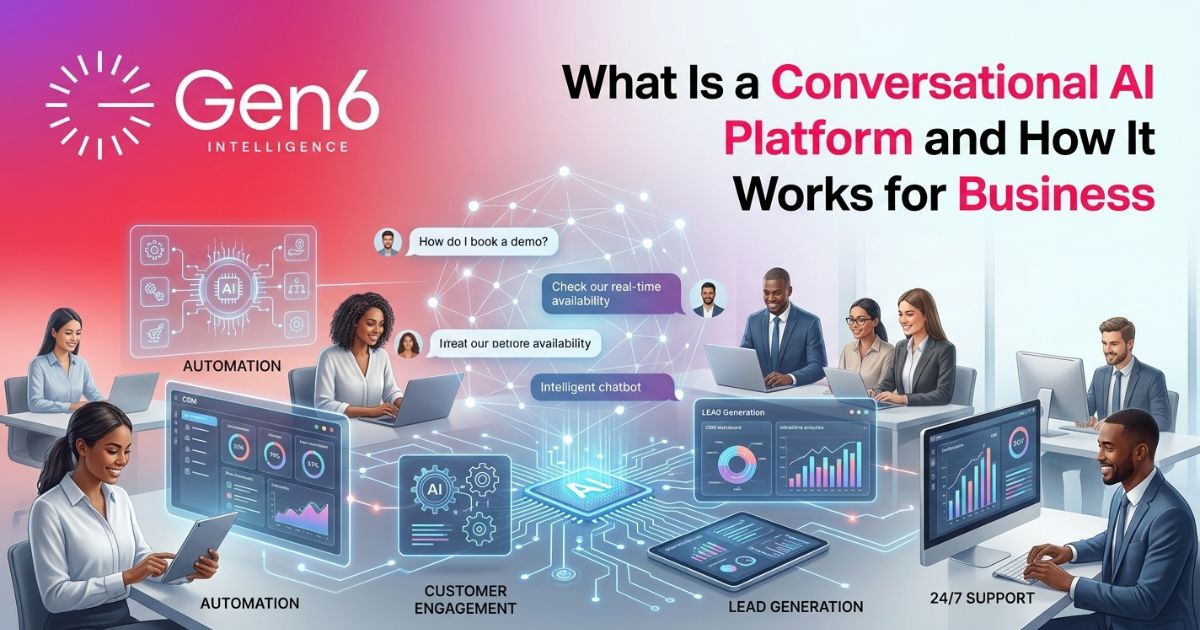
Automated conversations that combine fast machine responses with empathic human interaction bring about an improvement in organizational processes through conversational AI platforms. By utilizing complex language models, such platforms can interpret the intention of users, remember the context, and give the right responses. Such conversational AI software plays a vital role in companies seeking to boost their sales and enhance customer care, among other processes.
What Is a Conversational AI Platform, Really?
We have all been through such a situation when we were disappointed because of slow responses or a pile of support requests. But using a conversational AI platform, you’ll manage the repetitive actions, letting your team concentrate on other things. This is where an AI customer support platform becomes an essential addition to your digital infrastructure, ensuring 24/7 responsiveness.
- Software Foundation: Helps various chat, voice, and messaging services connect.
- NLP technology: Incorporates NLP systems (ChatGPT, etc.), able to understand users’ queries due to context rather than commands.
- Contextual Awareness: A distinguishing feature of conversational AI for businesses is the ability to remember earlier parts of a dialogue to ensure accuracy in responses to follow-up questions.
- Scalability: Regardless of whether you have just started as a lean business or are running a big company, enterprise conversational AI solutions will be flexible enough to work with fluctuating traffic levels.
- Deep Integration: Conversational AI tools serve as an intermediary between your chats and the databases within your company so that they can obtain up-to-date information for providing support.
If you are looking to understand the mechanics behind this, check out our guide on what AI agents are.
How It Actually Works
Modern chatbots function based on the execution of an exact algorithm through which the collected data is processed and converted into appropriate response data. This process is just like that of human assistance, but it happens far faster.
- User Input: The AI virtual assistant receives information from the user.
- Intent Detection: The conversational AI engine analyzes the text to determine exactly what the user wants to achieve.
- Knowledge Retrieval: It looks through your linked business systems or information sources to find the right answer.
- Response Generation: The AI chatbot platform constructs a natural, helpful reply that remains consistent with the established context.
The “brain” of these enterprise conversational AI systems usually runs on models made by OpenAI, Google Dialogflow, or Microsoft. These tools stop the conversational AI from thinking of each new message as something separate. By optimizing these processes, companies can use AI agents to replace repetitive business tasks, thereby giving back time to their employees for more significant work.
What Businesses Use It For: Real Examples
Integrating business conversational AI transforms how teams operate by shifting the focus from manual data entry to strategic oversight.
1. Customer Support
It is the most common scenario. An AI customer support platform will help in answering common queries, tracking orders, and refund status, hence reducing the number of calls by 40-60%. This means your workers only handle the difficult and important problems. Adopting conversational AI in this department is highly effective.
2. Sales & Lead Qualification
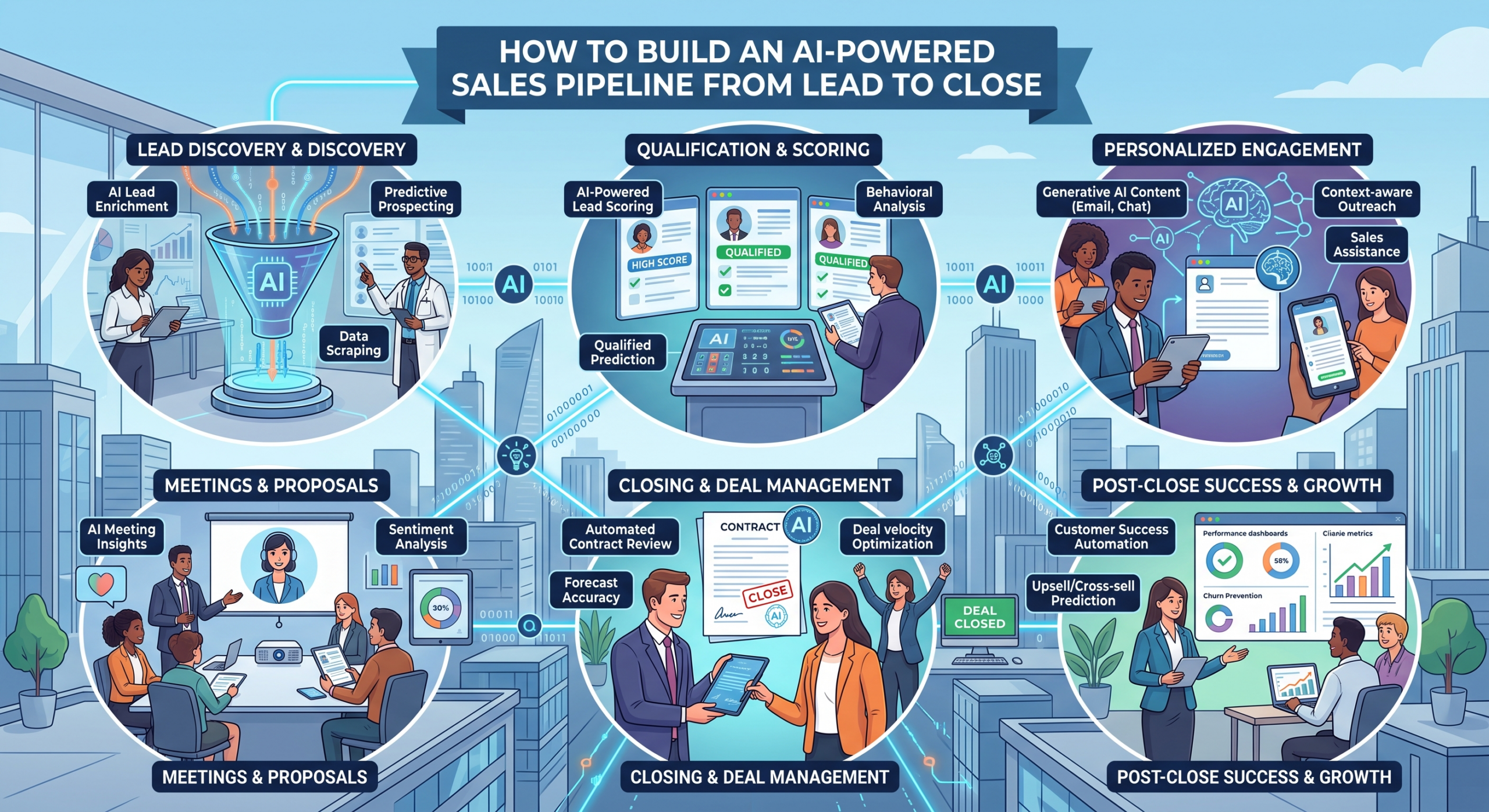
An AI virtual assistant can welcome people visiting your website, ask important questions, and help schedule appointments on your calendar. You don’t need a sales representative waiting to help customers at the beginning of the sales process anymore.
3. Internal Operations
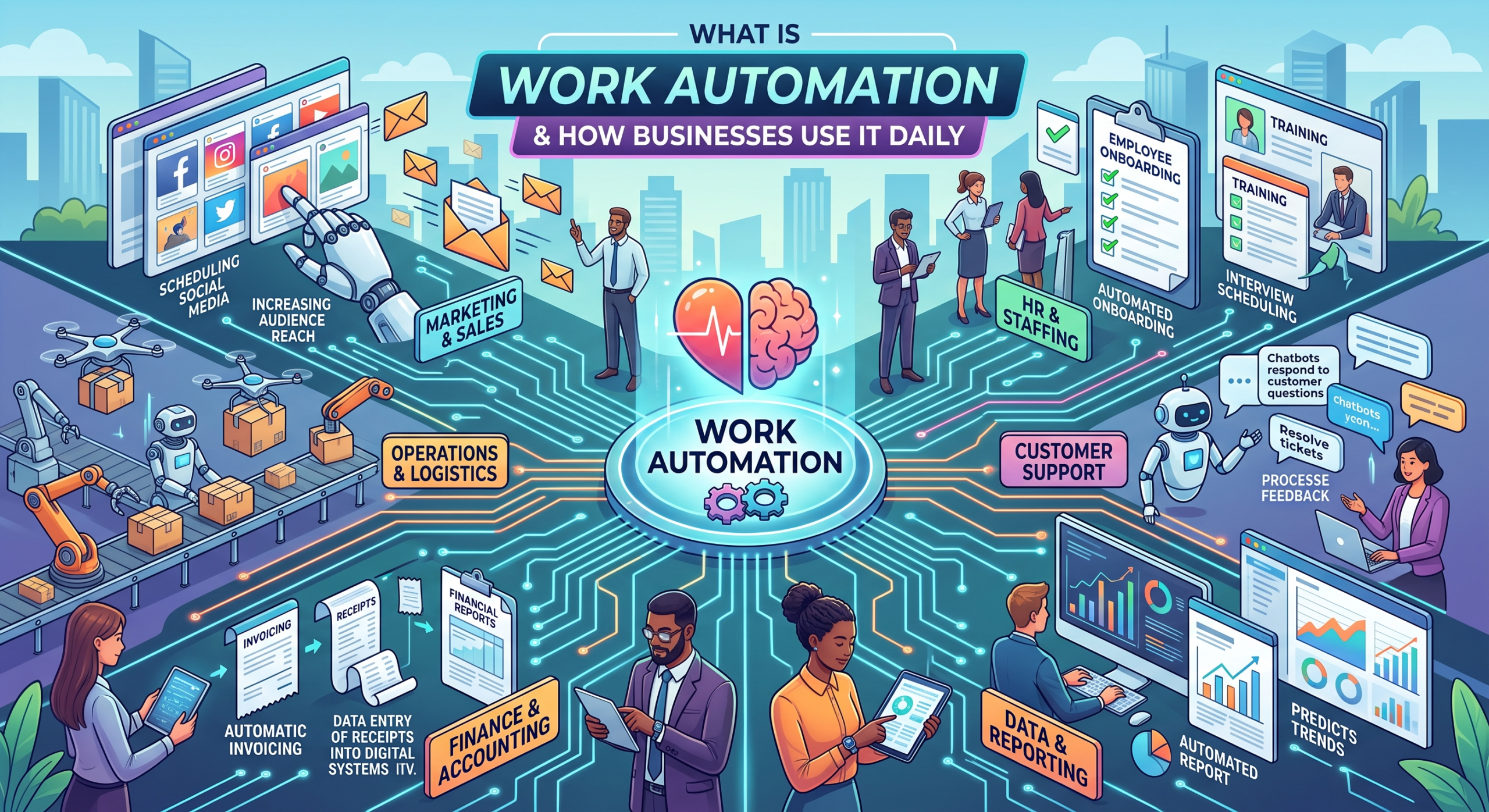
Many teams use business conversational AI to handle HR questions about payroll or IT helpdesk requests like password resets. AI virtual assistant agents can replace repetitive business tasks that usually drain your team’s energy.
You will let the tool deal with the “how” and “what” while your employees take care of the “why” by using conversational AI tools properly.
Conversational AI vs. a Basic Chatbot: The Key Differences
Basic bots stick to a strict set of responses. If a user asks something a little different, the bot can’t give a helpful answer. Modern conversational AI software programs are different because they adjust to what the user really needs.
| Feature | Basic Chatbot | Conversational AI |
| Understands context | Not supported | Supported |
| Learns over time | Not supported | Supported |
| Handles multi-turn conversations | Limited | Supported |
| Personalized responses | Not supported | Supported |
| Works across channels | Sometimes | Supported |
Note: No matter how great an AI chatbot platform can be, when it is clear that a client is not happy or the issue is sensitive, always refer the chat to a live representative.
Which Platforms Are Worth Looking At?
Picking the right conversational AI tools will vary depending on specific needs. While options are numerous, most organizations would prefer those enterprise conversational AI platforms that integrate easily with the technology they are currently using.
- OpenAI (ChatGPT API): The best choice for understanding language and what people mean in a flexible and high-quality way using an AI chatbot platform.
- Google Dialogflow: A strong option if you want advanced business conversational AI technology for businesses and organized processes.
- Microsoft Azure: Great for teams that want to manage their data and work using conversational AI software and Microsoft tools they already have.
- Integration: Most businesses use third-party platforms to simplify the setup of these engines. You can find more details on our best workflow automation software for businesses.
Is It the Right Move for Your Business?
If you are currently overwhelmed by the same ten questions, business conversational AI is a logical next step. It is not just about saving time; it is about keeping leads from bouncing off your site when your office is closed.
- Start Small: Create a map of your top ten most frequent support questions.
- Evaluate Complexity: If they involve only factual and consistent information, the AI chatbot platform will be able to cope with them very efficiently.
- Respect Boundaries: Do not automate processes involving any emotional components or matters of a highly important nature.
- Growth: An AI customer support platform grows together with you and won’t require additional human resources for dealing with regular visitors.
Find out how Gen6 Intelligence helps companies create chatbots easily, without any technical problems. Utilizing enterprise conversational AI allows for long-term scalability.
Conclusion
Implementing conversational AI software is one step toward taking back time in doing what humans do best. With the help of the automation of the mundane ‘what’ and ‘how,’ businesses can then devote their efforts to creating meaningful connections using the ‘why.’ When used appropriately, these conversational AI tools become a vital asset for sustainable business growth.
FAQs
What is a conversational AI platform?
Software using language models to automate human-like interactions across chat, voice, and messaging channels.
How does conversational AI work?
It identifies user intent, retrieves data from knowledge bases, and generates context-aware, natural language responses.
What is the difference between conversational AI and chatbots?
Unlike rigid, script-based chatbots, conversational AI adapts to context, learns over time, and handles complex, multi-turn dialogues.
Can conversational AI integrate with CRM systems?
Yes, it connects to business systems to pull real-time order data and personalize customer interactions.
Is conversational AI suitable for small businesses?
Yes, it helps smaller teams scale support and capture leads without needing to hire additional staff.